

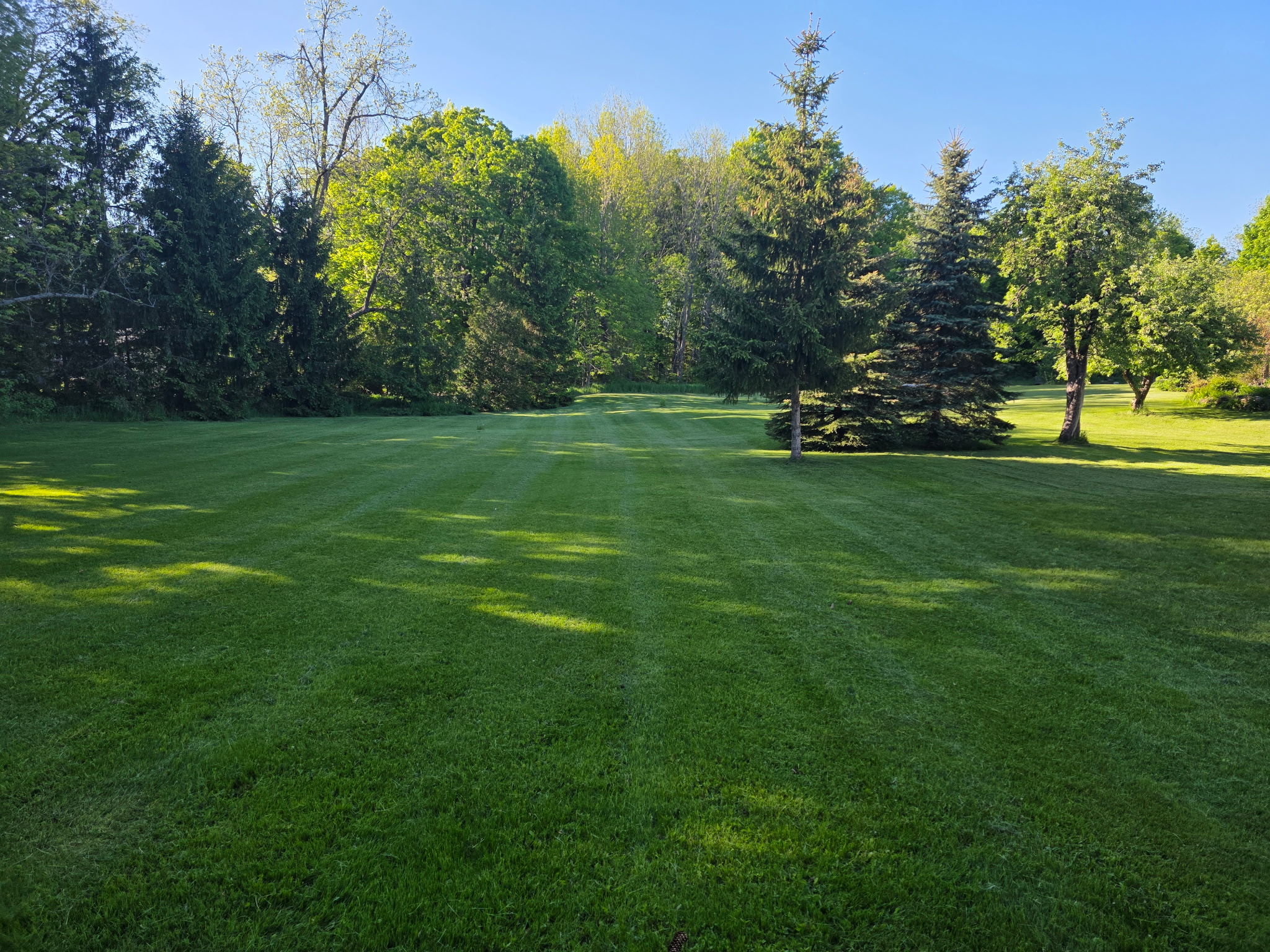
A lush, healthy lawn is one of the defining features of an attractive home. Beyond curb appeal, a well-maintained lawn provides a comfortable space for children to play, pets to roam, and families to enjoy the outdoors. However, achieving that vibrant green lawn isn’t simply a matter of mowing every week. In Canada’s climate—and throughout the northern regions of North America—lawns face unique seasonal challenges, from long, freezing winters to hot, dry summers.
Most Canadian lawns consist of cool-season grasses such as Kentucky bluegrass, perennial ryegrass, and fine or tall fescue. These grasses thrive during the cooler temperatures of spring and fall, but require specific care throughout the year to stay healthy.
Whether you’re a first-time homeowner or an experienced gardener looking to improve your lawn, these ten proven tips will help you maintain a beautiful lawn that withstands Canada’s changing seasons.
1. Know Your Grass Type
Before applying fertilizer or adjusting your mowing schedule, it’s important to understand what type of grass is growing in your yard.
Across most of Canada and the northern United States, cool-season grasses dominate because they tolerate cold winters and flourish during moderate temperatures. The most common varieties include:
- Kentucky Bluegrass – Dense, dark green, and self-repairing.
- Perennial Ryegrass – Fast germination and excellent wear resistance.
- Fine Fescue – Shade tolerant and drought resistant.
- Tall Fescue – Deep-rooted and increasingly popular for its drought tolerance.
Different grasses have different watering, mowing, and fertilizing needs. Knowing your lawn’s composition allows you to provide the right care throughout the year.
2. Mow at the Proper Height
One of the biggest mistakes homeowners make is mowing too short. While cutting grass very low may reduce mowing frequency, it actually weakens the lawn.
Longer grass blades:
- Shade the soil, reducing water evaporation.
- Prevent weed seeds from germinating.
- Encourage deeper root systems.
- Improve drought resistance.
For most Canadian lawns, the ideal mowing height is between 2.5 and 3.5 inches (6–9 cm). During summer heat, raising your mower slightly helps protect the lawn from stress.
Remember the “one-third rule”: never remove more than one-third of the grass blade during a single mowing. Cutting too much at once shocks the plant and slows recovery.
Keeping mower blades sharp is equally important. Dull blades tear grass instead of cutting it cleanly, creating brown tips and making the lawn more susceptible to disease.
3. Water Deeply, Not Frequently
Many homeowners water every day for short periods, but this encourages shallow root growth.
Instead, water deeply once or twice per week. The goal is to moisten the soil 6–8 inches deep, encouraging roots to grow downward where moisture remains longer.
Most lawns require approximately one inch (25 mm) of water each week, including rainfall.
The best time to water is early in the morning, ideally between 5 a.m. and 9 a.m.
Morning watering:
- Minimizes evaporation.
- Allows leaves to dry during the day.
- Reduces fungal diseases.
- Maximizes water efficiency.
Avoid evening watering whenever possible, as prolonged moisture on grass blades encourages mold and fungal problems.
4. Feed Your Lawn at the Right Time
Fertilizer supplies essential nutrients that promote strong growth, rich colour, and healthy roots.
Rather than applying fertilizer throughout the summer, focus on the seasons when cool-season grasses naturally grow most actively.
A typical annual schedule includes:
- Early spring: light feeding to encourage green-up.
- Late spring: balanced fertilizer if needed.
- Early fall: major feeding for root development.
- Late fall: winterizing fertilizer to prepare for dormancy.
Autumn fertilization is often the most important application of the year. The grass stores nutrients over winter, allowing it to emerge stronger and greener the following spring.
Whenever possible, choose slow-release fertilizers that provide nutrients gradually and reduce nutrient runoff.
5. Aerate Compacted Soil
Over time, soil becomes compacted from foot traffic, children playing, pets, and lawn equipment.
Compacted soil prevents:
- Air from reaching roots.
- Water infiltration.
- Nutrient absorption.
- Healthy root expansion.
Core aeration removes small plugs of soil from the lawn, creating thousands of openings that relieve compaction.
Benefits include:
- Stronger root systems.
- Better drainage.
- Improved fertilizer effectiveness.
- Increased drought resistance.
For most Canadian lawns, aerating once every one to three years is sufficient, with early fall being the ideal time.
If your lawn sees heavy traffic or has clay soil, annual aeration may provide noticeable improvements.
6. Overseed to Keep the Lawn Thick
A dense lawn naturally resists weeds because healthy grass crowds out unwanted plants.
Even healthy lawns gradually thin over time due to winter damage, insects, disease, drought, and heavy use.
Overseeding introduces fresh grass seed without removing the existing lawn.
Early fall provides the ideal conditions because:
- Soil remains warm.
- Air temperatures are cooler.
- Rainfall is often more consistent.
- Weed competition decreases.
For best results:
- Mow slightly shorter before seeding.
- Aerate first if possible.
- Keep seed consistently moist during germination.
- Avoid heavy foot traffic until new grass is established.
Overseeding every few years helps maintain a full, uniform lawn.
7. Control Weeds Naturally
A healthy lawn is the best weed prevention strategy.
Many common weeds—including dandelions, clover, crabgrass, and plantain—take advantage of thin or stressed turf.
Instead of relying solely on herbicides, focus on improving lawn health.
Natural weed prevention includes:
- Mowing high.
- Fertilizing appropriately.
- Watering deeply.
- Overseeding bare patches.
- Maintaining dense turf.
If weeds become established, remove them before they produce seeds.
Spot treatments are generally preferable to blanket applications, reducing environmental impact while protecting beneficial plants.
8. Watch for Lawn Diseases and Insects
Northern lawns occasionally experience problems caused by insects or fungal diseases.
Common insect pests include:
- White grubs.
- Chinch bugs.
- Sod webworms.
Common lawn diseases include:
- Snow mold.
- Dollar spot.
- Red thread.
- Brown patch.
Early detection makes treatment far more effective.
Warning signs include:
- Brown patches.
- Grass pulling up easily.
- Mushrooms.
- Discoloured rings.
- Thin or dying areas.
Good lawn maintenance greatly reduces disease pressure by improving air circulation, reducing excess moisture, and strengthening grass naturally.
When treatment becomes necessary, identify the specific problem before applying pesticides or fungicides.
9. Leave Grass Clippings Behind
Many homeowners bag every grass clipping, believing it creates a cleaner lawn.
In reality, short grass clippings are an excellent natural fertilizer.
Mulching clippings:
- Returns nitrogen to the soil.
- Adds organic matter.
- Conserves moisture.
- Reduces waste.
- Saves time.
Contrary to popular belief, grass clippings do not cause thatch.
Thatch develops primarily from slowly decomposing stems and roots—not leaf blades.
As long as the lawn is mowed regularly, the clippings break down quickly and provide valuable nutrients.
Only remove clippings if they are unusually long or clumped after mowing.
10. Adjust Your Lawn Care Throughout the Seasons
Successful lawn care is all about timing.
Each season requires a different approach.
Spring
- Rake away winter debris.
- Inspect for snow mold.
- Apply a light fertilizer if needed.
- Begin mowing once growth starts.
Summer
- Raise mowing height.
- Water deeply.
- Avoid heavy fertilization during extreme heat.
- Monitor drought stress.
Fall
- Aerate.
- Overseed.
- Apply the year’s most important fertilizer.
- Continue mowing until growth stops.
Winter
- Avoid walking repeatedly on frozen grass.
- Keep heavy snow piles off sensitive areas where possible.
- Service lawn equipment before spring.
Following the natural growth cycle allows the lawn to remain healthier with less effort.
Final Thoughts
Maintaining a beautiful lawn in Canada’s climate doesn’t require expensive equipment or constant maintenance. Success comes from understanding how cool-season grasses grow and working with nature rather than against it.
By mowing at the proper height, watering deeply, fertilizing at the right times, aerating compacted soil, and overseeding regularly, homeowners can develop thicker, greener lawns that naturally resist weeds, insects, and disease.
Remember that lawn care is a long-term investment. Small improvements made consistently each season produce lasting results year after year. Rather than chasing quick fixes, focus on building healthy soil and strong root systems. The reward is a lawn that not only looks beautiful but also requires fewer chemicals, less water, and less maintenance over time.
With these ten tips as your guide, you’ll be well on your way to enjoying a vibrant, resilient lawn that thrives through Canada’s changing seasons and provides a welcoming outdoor space for family and friends for years to come.