

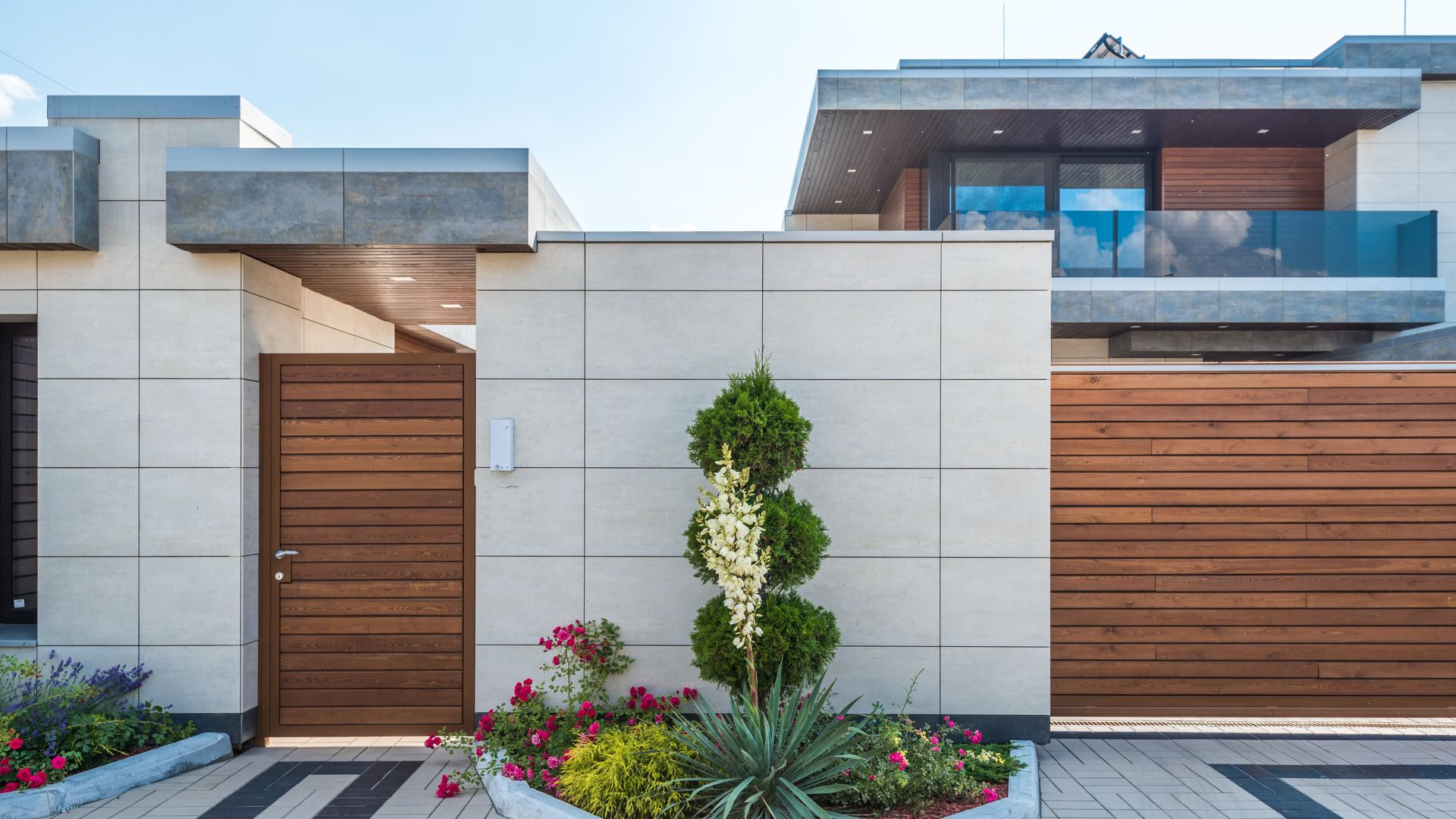
Transforming Landscapes and Increasing Property Values
A beautifully sculpted landscape has an immediate impact. Whether it’s a perfectly shaped cedar hedge framing a front entrance, elegant spiral junipers lining a driveway, or climbing vines trained to soften a stone wall, professionally sculpted plants bring structure, sophistication, and lasting beauty to a property. While many homeowners think of pruning as simply cutting back overgrown branches, true plant sculpting is a specialized horticultural practice that blends artistry with plant science.
When performed correctly, sculpting enhances the health, longevity, and appearance of trees, shrubs, and vines while creating a landscape that looks intentional and well cared for. Over time, these improvements can significantly increase curb appeal and even contribute to higher property values.
Understanding how plant sculpting works—and the patience it requires—helps homeowners appreciate why some of the most striking landscapes are years in the making.
What Is Plant Sculpting?
Plant sculpting is the deliberate shaping and training of woody plants to create a defined form while preserving their long-term health. Unlike routine maintenance pruning, which focuses primarily on removing dead or damaged growth, sculpting is a continuous process of guiding how a plant grows over many seasons.
Depending on the species and the desired effect, sculpting can create:
- Formal hedges
- Rounded shrubs
- Spirals and pom-pom forms
- Cloud pruning (often called “niwaki”)
- Espalier trees trained against walls
- Living privacy screens
- Archways and pergolas covered with vines
- Naturalistic forms that highlight a plant’s character
Each style requires a different combination of pruning, training, and ongoing maintenance, but they all share the same goal: directing growth rather than simply controlling it.
The Difference Between Pruning and Sculpting
Although the two terms are often used interchangeably, pruning and sculpting serve different purposes.
Pruning focuses on plant health by removing dead, diseased, damaged, or crossing branches. It encourages air circulation, improves sunlight penetration, and helps prevent structural problems.
Sculpting goes several steps further. Every cut is made with a vision for the plant’s future shape. Rather than reacting to growth, the gardener actively influences how branches develop over months and years.
A sculptor evaluates factors such as:
- Natural growth habits
- Branch spacing
- Bud placement
- Seasonal growth cycles
- Long-term symmetry
- Light exposure
- Future maintenance needs
This combination of technical knowledge and artistic judgment distinguishes professional plant sculpting from routine trimming.
Choosing the Right Plants
Not every tree or shrub responds well to sculpting. The best candidates are species that tolerate regular pruning and produce dense, compact growth.
Popular evergreen shrubs include:
- Boxwood
- Yew
- Arborvitae
- Japanese holly
- Privet
Conifers commonly shaped into architectural forms include:
- Juniper
- Spruce
- Pine
- False cypress
Deciduous shrubs often sculpted include:
- Hornbeam
- Beech
- Hawthorn
- Lilac
- Burning bush
Climbing vines can also be trained to create striking landscape features. Common choices include:
- Clematis
- Virginia creeper
- Climbing hydrangea
- Wisteria
- Trumpet vine
- Grapevines
The key is selecting plants suited to the local climate and understanding how each species naturally grows before attempting to reshape it.
The Sculpting Process
Creating a sculpted landscape begins long before the first branch is removed.
Step One: Evaluation
Every project starts by assessing the plant’s age, health, size, and structure.
A professional arborist or horticulturist identifies:
- Weak branches
- Structural defects
- Disease
- Existing growth patterns
- Sun exposure
- Available space
This evaluation determines what can realistically be achieved without placing unnecessary stress on the plant.
Step Two: Establishing the Framework
The first significant pruning focuses on creating the plant’s permanent framework.
Large structural branches are selected while competing or poorly positioned branches are removed.
This framework becomes the skeleton that supports all future growth.
Making careful decisions at this stage reduces maintenance later and produces stronger, healthier plants.
Step Three: Encouraging New Growth
Once the framework is established, controlled pruning stimulates dense branching.
Many shrubs naturally produce multiple shoots after trimming. By repeating this process over several growing seasons, plants become fuller and more compact.
This gradual approach prevents shock while allowing the desired shape to emerge naturally.
Step Four: Refinement
As growth continues, pruning becomes increasingly precise.
Small adjustments improve:
- Symmetry
- Balance
- Texture
- Layering
- Visual proportion
Rather than making dramatic changes, experienced sculptors make subtle refinements several times each growing season.
How Long Does Plant Sculpting Take?
One of the most common questions homeowners ask is, “How long before it looks finished?”
The answer depends on the plant species, its age, growth rate, and the complexity of the design.
Simple rounded shrubs may take only one or two growing seasons to establish.
Formal hedges often require three to five years to reach full density.
Complex topiary shapes can take five to ten years or longer.
Espalier fruit trees frequently require four to eight years before developing mature branch patterns.
Cloud-pruned conifers may evolve over decades, becoming more beautiful with age.
Rather than thinking of sculpting as a one-time project, it is better viewed as an ongoing relationship with the landscape.
The finest gardens in Europe and Japan have been continuously maintained for generations.
Seasonal Timing Matters
Proper timing protects plant health while maximizing growth.
Spring
Early spring is ideal for structural pruning before vigorous new growth begins.
Flowering shrubs that bloom on new wood can often be shaped at this time.
Summer
Summer focuses on refinement.
New shoots are selectively shortened to maintain shape while encouraging dense branching.
This is also when hedges typically receive one or two maintenance trims.
Fall
Light corrective pruning may continue into early fall.
However, heavy pruning is generally avoided because it may stimulate tender new growth vulnerable to winter damage.
Winter
Dormant pruning provides excellent visibility into a plant’s branch structure.
Many deciduous trees and shrubs are sculpted during winter because leaves no longer obscure their framework.
Sculpting Vines
Unlike shrubs, vines are shaped primarily through training rather than repeated trimming.
Supports such as trellises, pergolas, wires, and fences guide stems into desired positions.
Young stems remain flexible and can be tied gently as they grow.
Over time, permanent woody stems develop, creating elegant architectural features.
Annual pruning removes excessive growth while maintaining airflow and encouraging flowering.
Properly trained vines can transform blank walls, patios, entryways, and outdoor living spaces into lush garden features.
The Importance of Regular Maintenance
Even after a desired shape has been achieved, sculpted plants require ongoing care.
Without maintenance:
- Hedges lose definition.
- Topiary becomes uneven.
- Vines become tangled.
- Interior branches lose sunlight.
- Disease risk increases.
Maintenance schedules vary by species but often include two to four pruning sessions annually.
Routine inspections also identify insect damage, fungal disease, storm injury, and nutrient deficiencies before they become serious problems.
Health Benefits for Plants
Contrary to popular belief, properly executed sculpting does not harm healthy plants.
Instead, it often improves overall health by:
- Increasing air circulation
- Reducing fungal diseases
- Removing damaged branches
- Strengthening branch structure
- Encouraging vigorous new growth
- Improving light penetration
Healthy, well-maintained plants generally live longer than neglected specimens.
The key lies in understanding each species’ growth habits and avoiding excessive pruning that removes too much foliage at once.
The Effect on Property Value
Professional landscaping consistently ranks among the highest-return exterior home improvements.
Numerous real estate studies have shown that attractive landscaping enhances first impressions, increases buyer interest, and can shorten the time a property spends on the market.
Sculpted trees and shrubs contribute by creating:
- Strong curb appeal
- Visual balance
- Architectural definition
- Privacy
- Mature landscape character
- A sense of luxury and care
Buyers often perceive meticulously maintained landscapes as evidence that the entire property has been well cared for.
In competitive housing markets, professionally maintained landscaping can help distinguish one home from similar neighbouring properties.
While the exact financial return varies by region, many real estate professionals estimate that high-quality landscaping may contribute between 5 and 15 percent to overall property value, particularly when combined with healthy lawns, mature trees, attractive lighting, and well-designed outdoor living spaces.
Working with Professionals
Although homeowners can perform routine pruning, advanced sculpting often benefits from professional expertise.
Certified arborists and experienced horticultural professionals understand:
- Plant biology
- Seasonal growth cycles
- Structural pruning techniques
- Disease prevention
- Long-term design planning
They also possess specialized tools that produce cleaner cuts while minimizing stress on the plant.
Professional guidance is especially valuable for mature trees, expensive specimen plants, and complex designs such as espalier or topiary.
Final Thoughts
Sculpting trees, shrubs, and vines is far more than a landscaping trend—it is a long-term investment in the beauty, health, and value of a property. By combining horticultural knowledge with artistic vision, plant sculpting creates landscapes that mature gracefully over time, offering year-round structure, seasonal interest, and a polished appearance that ordinary pruning cannot achieve.
Patience is essential. While some results can be seen within a single growing season, truly exceptional landscapes are developed over years of careful guidance and maintenance. Every thoughtful cut contributes to stronger plant structure, healthier growth, and a more cohesive design.
For homeowners in Canada and across northern North America, where landscapes experience dramatic seasonal changes, regular sculpting also helps plants withstand snow loads, improve air circulation, and recover more effectively from winter conditions.
Whether your goal is a formal hedge, an elegant topiary, a vine-covered pergola, or simply beautifully shaped shrubs that complement your home, investing in proper plant sculpting pays dividends for years to come. The result is more than just an attractive yard—it is a living landscape that enhances daily enjoyment, reflects pride of ownership, and adds lasting value to one of your most important investments: your home.